What to do in the first 24 hours after a dog bite in Texas
By Janice · Updated 2026-07-22
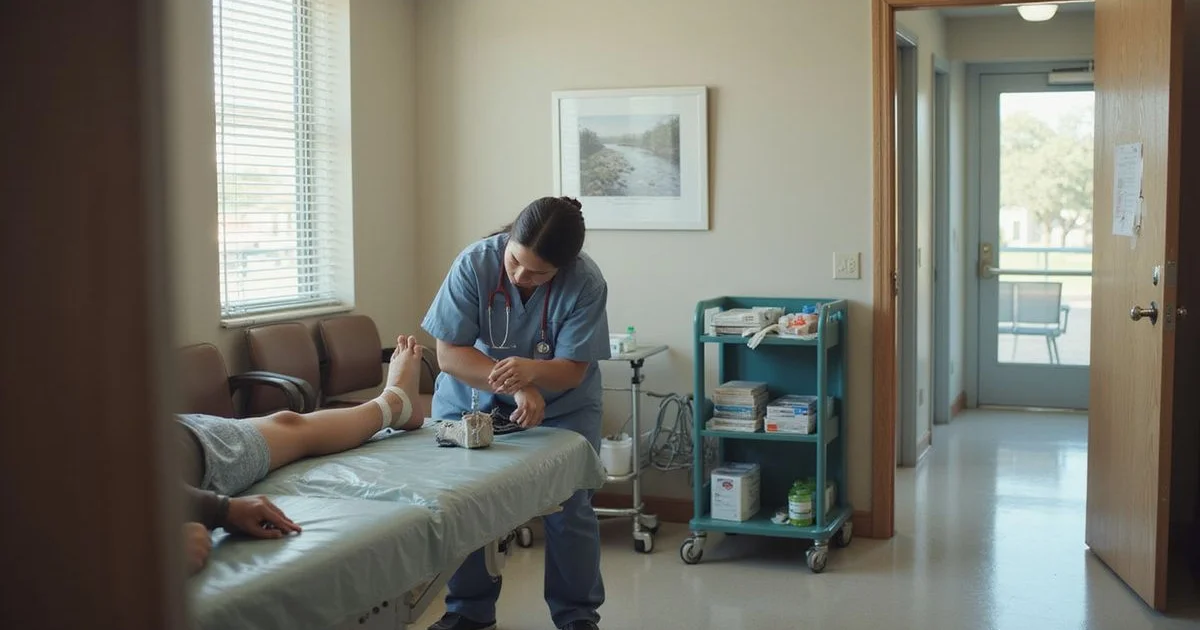
The first day after a dog bite is disorienting, but a few practical steps now can make a real difference later, both for your health and for any claim you might pursue. None of this requires deciding whether to hire a lawyer; it’s just what protects you either way.
Get medical care first
Treat the wound as a real injury even if it looks small. Dog bites carry a higher infection risk than most cuts because of the bacteria present in a dog’s mouth, and punctures can look minor on the surface while causing deeper tissue damage. Go to an urgent care or emergency room, especially for any bite that breaks the skin, bleeds heavily, or involves the face, hands, or joints. Ask about a tetanus booster if it’s been more than five years since your last one, and follow up on any recommended antibiotics even if the wound seems to be healing fine.
This is general information, not medical advice. If you’re unsure how serious an injury is, treat it as urgent and get it looked at rather than waiting to see how it develops.
Report the bite
Contact local animal control or your city’s health department to report the incident. This step matters more than people realize: it creates an official record of what happened, and it typically triggers a required rabies quarantine hold on the dog, which protects you if there’s ever a question about rabies exposure. The animal control report that comes out of this process is often the single most useful piece of evidence in a later claim, since it’s produced by a neutral party with no stake in the outcome. That same report is often the first step toward getting the dog formally declared dangerous, which our guide on how to get a dog declared dangerous in Texas covers in more detail.
Document everything while it’s fresh
Take photos of the wound as soon as possible, and again over the following days as it changes; bruising and swelling often peak a day or two later. Photograph the location where the bite happened too, especially if a broken fence, missing leash, or unsecured gate played a role. Get the names and contact information of any witnesses before they scatter. Write down what happened while it’s still clear in your mind, including anything the dog’s owner said at the scene.
Get the owner’s information
Exchange basic information with the dog’s owner: name, address, and homeowners or renters insurance details if they have it. You don’t need to discuss fault or apologize for anything at this stage, just gather the facts you’ll need later.
Keep a simple record as the days go on
For the first week or two, jot down anything that changes: new symptoms, missed work, follow-up appointments, or if the wound looks infected. This doesn’t need to be formal, a note on your phone works fine, but it becomes useful later if you need to show how the injury actually affected your daily life, not just what a chart says at a single visit.
| Step | Why it matters |
|---|---|
| Seek medical treatment | Infection risk is real; creates a medical record |
| Report to animal control | Triggers rabies hold; produces an official incident report |
| Photograph the injury and scene | Evidence fades or heals; document it early |
| Get witness contact information | Memories and availability fade quickly |
| Exchange owner and insurance details | Needed to pursue any claim later |

What to avoid
Don’t give a recorded statement to the dog owner’s insurance company before you’ve had time to think it through, or ideally, before speaking with a lawyer. Insurers sometimes call quickly after an incident, and an offhand comment about how the bite happened can be used later to argue you were partly at fault. It’s fine to be polite and provide basic facts; you’re not obligated to answer detailed questions about fault on the spot.
When to think about a lawyer
Not every bite needs legal representation, particularly a shallow scratch with a quick recovery. But if the wound needed stitches, involves a child, left any visible mark, or the owner is disputing what happened, a free consultation with a lawyer costs nothing and can clarify whether you’re leaving money or protection on the table. Our methodology explains how we rank the firms in this directory, and you can start browsing from the homepage.
FAQ
- Do I have to report a dog bite to animal control?
- In most Texas cities, yes, especially if the bite broke skin. Reporting creates an official record and can trigger a rabies quarantine hold on the dog, which protects both you and the animal's future victims.
- Should I get medical treatment even for a minor-looking bite?
- Yes. Dog bites carry a real infection risk because of bacteria in a dog's mouth, and a wound that looks minor can still need antibiotics or a tetanus booster. A medical record also matters if you later pursue a claim.
- Should I talk to the dog owner's insurance company right away?
- Be cautious. It's fine to exchange basic information, but avoid giving a recorded statement or discussing fault until you've had a chance to think it through, ideally after speaking with a lawyer.
- What if I don't know who owns the dog?
- Report the incident to animal control regardless. They can often identify the owner through licensing records, neighborhood canvassing, or a follow-up investigation.