How to get a dog declared dangerous in Texas after it bites
By Janice · Updated 2026-08-17

If a dog has bitten you or someone in your family, or you’re aware of a dog in your neighborhood with a pattern of aggressive behavior, Texas has a formal process for getting that animal legally designated as dangerous. This is a separate track from a personal injury claim, and it’s worth understanding both. If the bite just happened, our guide on what to do in the first 24 hours after a dog bite in Texas covers the immediate steps before you get to this stage.
What “dangerous dog” means under Texas law
Texas Health and Safety Code Section 822 sets out the statewide framework for this designation. Generally, a dog can be declared dangerous if it made an unprovoked attack that caused bodily injury to a person outside of a secure enclosure, or engaged in behavior that a reasonable person would consider a serious threat, even without a completed bite. Local counties and cities administer the actual process, so some specifics can vary depending on where the incident happened.
The typical process
After a bite or aggressive incident, the process usually begins with a report to local animal control. An investigation follows, which can include interviewing witnesses, reviewing any incident reports, and, in some jurisdictions, an inspection or hearing where the dog’s owner has a chance to respond. If the authority determines the criteria are met, the dog is formally designated dangerous, and specific legal obligations attach to the owner from that point forward.
This isn’t automatic. Filing a report starts the process, but it doesn’t guarantee a particular outcome, since the investigating authority weighs the specific facts.
What changes once a dog is declared dangerous
Once the designation is official, Texas law generally requires the owner to secure the dog in a proper enclosure that prevents it from escaping, carry a minimum amount of liability insurance covering potential injuries the dog might cause, register the dog with the county as a known dangerous animal, and in some cases, post a warning sign at the property. Failing to comply with these requirements can carry criminal penalties, not just civil liability.
| Step | What typically happens |
|---|---|
| Report filed with animal control | Starts a formal investigation |
| Investigation | Interviews, records review, sometimes a hearing |
| Designation decision | Authority determines whether criteria are met |
| If declared dangerous | Owner faces enclosure, insurance, and registration requirements |
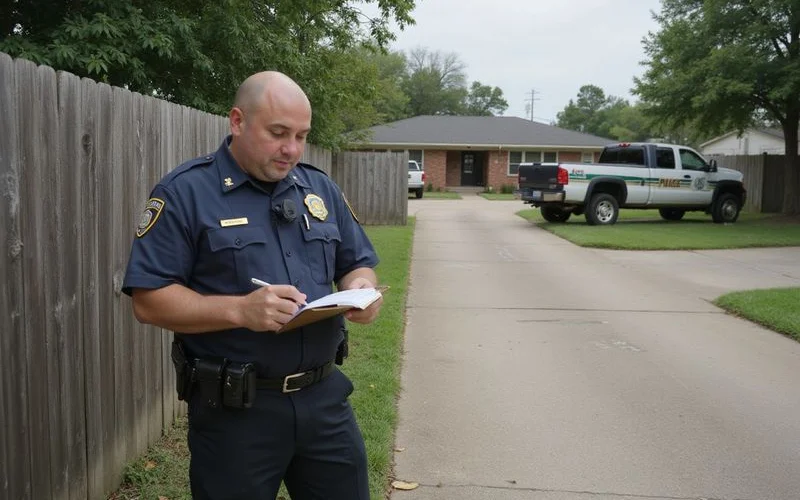
What to expect if a hearing is scheduled
Not every county requires a formal hearing, but where one is held, both the person who filed the report and the dog’s owner are typically given a chance to present their account. Bring your documentation, photos, and any witnesses who are willing to attend or provide written statements. The process is usually administrative rather than a courtroom trial, but treating it with the same seriousness, showing up prepared, tends to lead to a clearer outcome either way.
Why this matters beyond your own case
Pursuing this designation isn’t just about accountability for what already happened. A documented dangerous dog designation creates a public record that protects the next person the dog might encounter, and it can also become important evidence if the same dog is involved in a future incident. If you’re pursuing a personal injury claim related to the same bite, a dangerous dog designation, or even an ongoing investigation, can support the liability argument in that separate civil case.
What to gather before filing a report
A stronger report typically includes the date, time, and location of the incident, photos of any injury, contact information for witnesses, and a description of any prior aggressive behavior you or others have observed from the same dog. If neighbors have had similar encounters, ask whether they’re willing to be named as witnesses or file their own reports, since a documented pattern carries more weight with animal control than a single isolated incident.
How this fits with a legal claim
Getting a dog declared dangerous and filing a personal injury or liability claim are two different processes, run through different systems, though the outcome of one can inform the other. A lawyer handling your injury claim can advise on whether pursuing both makes sense for your situation, and how the timing of each affects the other.
This is general information, not legal advice for your specific situation, and the exact process can vary by county. Our methodology explains how we rank the lawyers in this directory, and the homepage has the full list of Texas dog bite lawyers.
FAQ
- Who decides whether a dog is declared dangerous in Texas?
- Typically the local municipal or county animal control authority, sometimes following a hearing, based on criteria set out in Texas Health and Safety Code Section 822.
- What has to happen for a dog to qualify as dangerous?
- Generally, the dog must have made an unprovoked attack causing bodily injury outside its enclosure, or committed a similar act that a reasonable person would consider a threat. The specific criteria and process can vary somewhat by county or city.
- What happens to the owner once a dog is declared dangerous?
- The owner typically faces specific legal obligations: securing the dog in a proper enclosure, carrying liability insurance up to a set amount, and registering the dog with the county. Failure to comply can carry criminal penalties in Texas.
- Does reporting a dog as dangerous guarantee it will be declared so?
- No. The process usually includes an investigation and sometimes a hearing where the owner can respond, so a declaration isn't automatic just because a report was filed.