Dog bites on rental property: what Texas landlord liability law says
By Janice · Updated 2026-08-01
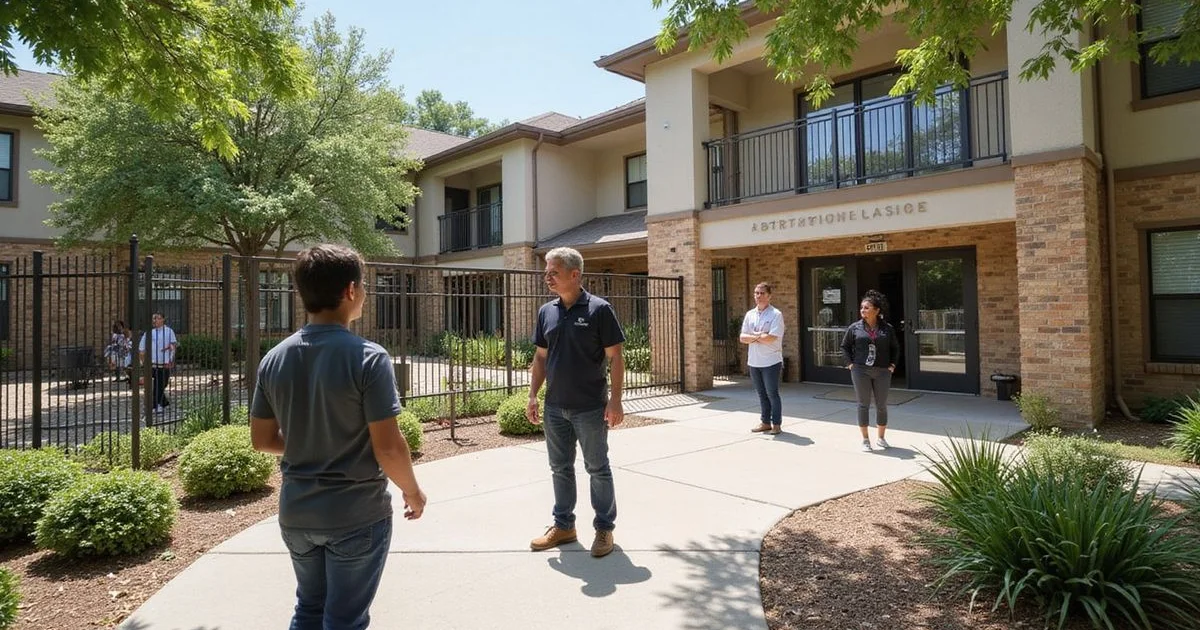
When a dog bite happens on rental property, apartment grounds, or land a landlord controls, the legal picture can get more complicated than a straightforward claim against the dog’s owner. Texas law generally holds the dog’s owner responsible, but a landlord or property owner can also share liability under specific circumstances. Here’s what that actually takes to prove.
The core legal question: what did the landlord know
A landlord liability claim generally turns on whether the landlord or property manager knew, or reasonably should have known, about a dangerous dog on the property, and had the practical ability to do something about it. Knowledge alone isn’t enough, and neither is ability alone; the claim requires both, plus a failure to act on that knowledge.
Evidence that supports this kind of claim includes prior tenant complaints about the dog, documented lease violations that went unenforced, an aggressive incident the landlord was told about before the bite that injured you, or a pattern of the dog being allowed to roam common areas despite complaints.
Common scenarios
This type of claim comes up in a few recurring situations. A landlord ignored repeated complaints from other tenants about an aggressive dog next door. A property manager allowed a dog of a breed the lease specifically restricted to remain after being notified. An apartment complex failed to secure a gate around a shared yard where a dog was kept, despite knowing residents and guests used that space. A commercial property owner kept a “security” dog without adequately restraining it from areas customers or visitors could access.
Why these cases take more investigation
Proving what a landlord knew and when requires digging into records that aren’t always easy to obtain: lease agreements, prior complaint logs, property inspection reports, maintenance requests, and sometimes municipal housing code violations. Insurers tend to fight harder on the “knowledge” element in these cases than on a straightforward dog-owner claim, since it’s a more contestable legal theory. A lawyer who has actually taken landlord-liability dog bite cases to negotiation or trial, not just filed them, tends to have a better sense of what evidence actually moves these claims forward.
| Scenario | What strengthens the claim |
|---|---|
| Prior tenant complaints ignored | Written complaints, maintenance logs, email records |
| Lease violation unenforced | The lease terms themselves, notice the landlord received |
| Incident in a shared or common area | Property is under landlord’s direct control and maintenance duty |
| Prior aggressive incident reported | Any record of the report, even informal, to the landlord or manager |
What tenants can do before a bite happens
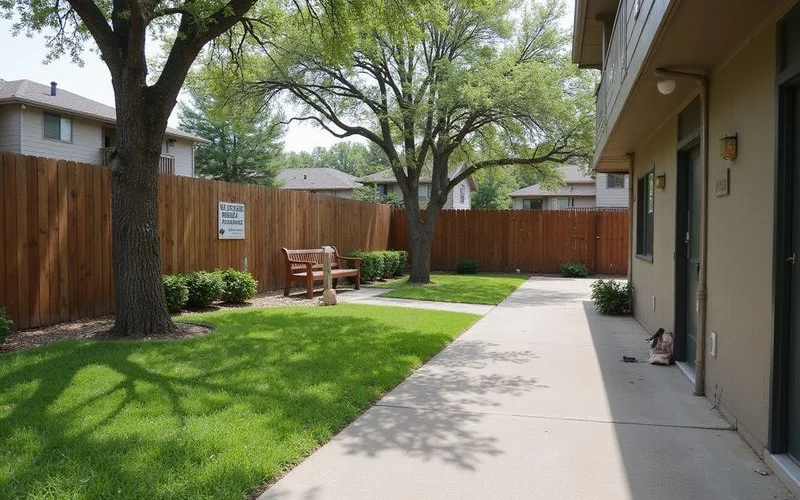
If you live in a building or complex where a neighbor’s dog has already shown aggression, putting complaints in writing to your landlord or property manager, rather than mentioning it in passing, creates the kind of record that matters if an incident happens later. Email works better than a verbal conversation for this, simply because it’s dated and easy to produce months down the line. This isn’t about being confrontational, it’s about making sure the record exists if it’s ever needed.
This runs alongside, not instead of, a claim against the owner
A landlord claim is typically pursued in addition to a standard claim against the dog’s owner, not as a replacement for it. This matters most when the tenant who owns the dog has limited or no insurance coverage, since the landlord’s liability insurance can become the more meaningful source of recovery. A lawyer evaluating your case will usually look at both angles from the start rather than picking one.
This is general information, not legal advice for your specific situation; landlord liability law depends heavily on the exact facts, records, and what can actually be proven. Our methodology explains how we score and rank the firms in this directory, and the homepage has the full list of Texas dog bite lawyers if you’re ready to discuss your case.
FAQ
- Can a landlord be held responsible for a tenant's dog bite?
- Yes, if the landlord knew about a dangerous dog on the property and had the ability to address it, such as enforcing a lease provision or requiring removal, but failed to act.
- Does it matter if the lease has a no-pets or breed restriction clause?
- It can. A landlord who allowed a dog to stay despite their own lease terms, or who knew a restricted breed was present and didn't enforce the policy, may have a harder time arguing they had no responsibility.
- What if the bite happened in a shared area like a courtyard or parking lot?
- Shared or common areas are generally the landlord's responsibility to maintain safely, which can strengthen a claim, especially if there had been prior complaints about a dog roaming those spaces.
- How is this different from a claim against the dog's owner?
- It's usually pursued alongside an owner claim, not instead of it. A landlord claim adds a second potential source of recovery, which matters most when the tenant's own insurance coverage is limited.