Dog bite scarring and disfigurement: what recovery actually involves
By Janice · Updated 2026-07-30
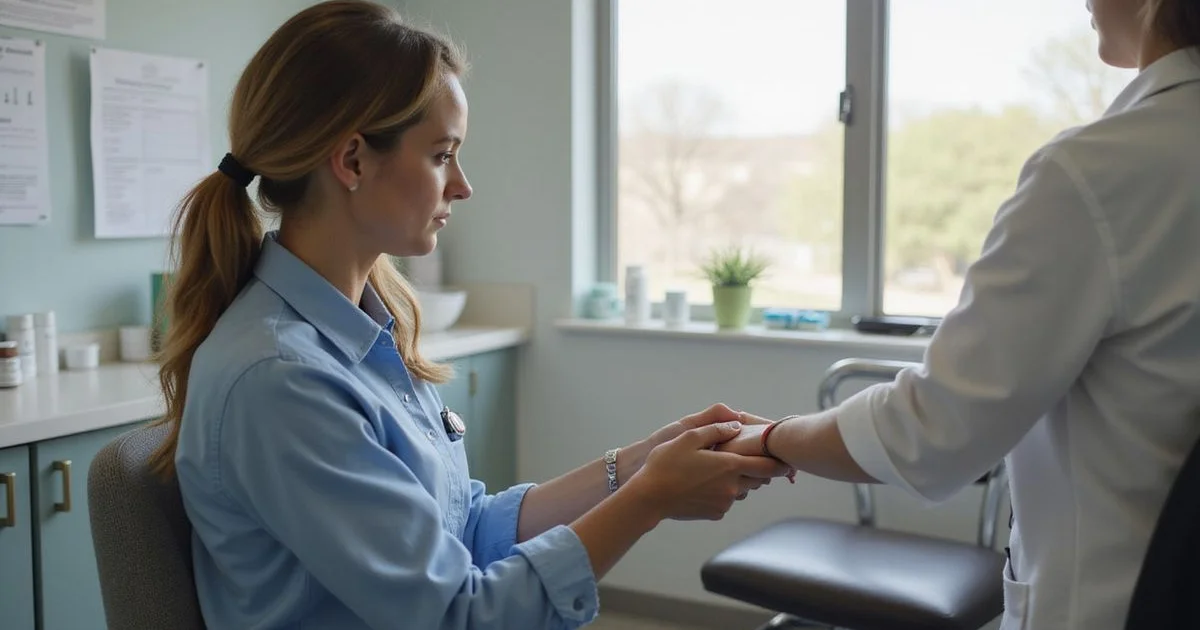
Scarring from a dog bite is often the part of recovery people are least prepared for. The wound itself might heal in a few weeks, but the visible mark it leaves, and the medical process around it, plays out over a much longer timeline. Here’s what that process typically looks like.
Initial wound care
Proper care in the first days after the bite has a real effect on how a scar eventually looks. This usually means keeping the wound clean, following any suturing or closure instructions carefully, and attending follow-up appointments to check for infection, which can worsen scarring if it takes hold. Deeper wounds, ones involving stitches, or bites to the face and hands are more likely to need attention from a plastic surgeon early rather than a general practitioner.
This is general information, not medical advice. Follow your treating doctor’s specific instructions for your wound.
Why doctors wait to assess a scar
Scars change substantially over their first year. They often start red or raised and gradually fade and flatten as the skin remodels itself. Because of this, most plastic surgeons won’t give a final opinion on the scar’s permanence, or whether revision surgery is worth considering, until it has had time to mature, sometimes a year or more after the initial injury. This is one reason scarring and disfigurement claims often take longer to resolve than a straightforward bite that heals without a mark.
Revision surgery, when it’s an option
Not every scar needs or benefits from revision surgery. When it’s considered, a plastic surgeon evaluates factors like the scar’s location, how it affects function (movement of a joint or facial expression, for example), and how much it’s likely to improve with intervention. Options range from simple scar-massage therapy and silicone sheeting to more involved procedures like laser treatment or surgical revision. A surgeon’s opinion on whether future surgery is likely, and roughly what it would cost, becomes an important part of documenting the full impact of the injury.
Documenting permanence
For any injury with lasting effects, doctors sometimes assign what’s called a permanent impairment rating, a percentage reflecting the degree of lasting damage. This isn’t just paperwork: it gives a concrete, physician-backed way to describe how significant and permanent the injury actually is, which matters both for planning ongoing care and for anyone evaluating the claim later.
| Recovery stage | Typical timeline | What happens |
|---|---|---|
| Initial wound care | First 2-4 weeks | Cleaning, infection monitoring, closure care |
| Early scar formation | 1-6 months | Scar appears red or raised, begins to change |
| Scar maturation | 6-18 months | Gradual fading and flattening |
| Revision evaluation | After maturation | Surgeon assesses whether treatment can improve appearance or function |
Working with more than one specialist
Depending on the injury, recovery sometimes involves more than a single plastic surgeon. A hand injury might also need a hand specialist to evaluate grip strength or nerve function, and a facial injury near the eyes or mouth might involve an ophthalmologist or a specialist in facial reconstruction. Coordinating between providers takes time, and it’s normal for a full treatment plan to take shape gradually over several appointments rather than all at once.

The emotional side of visible scarring
A scar on the face or hands can affect more than appearance; people often describe self-consciousness, questions from strangers, or a lingering reminder of the attack every time they look in the mirror. This is a legitimate part of recovery, and it’s worth mentioning to your doctor if it’s affecting your daily life, since ongoing emotional impact is part of the full picture of the injury.
Where legal considerations fit in
The medical recovery process described here runs alongside, not instead of, any legal claim. A surgeon’s documentation of permanence and future treatment needs is often the strongest evidence for valuing a scarring claim fairly. This guide focuses on the recovery itself; our methodology explains how we evaluate the lawyers in this directory, and the homepage has the full list if you’re weighing legal options alongside your medical care. This is general information, not medical or legal advice for your specific situation.
FAQ
- How long does it take for a dog bite scar to fully mature?
- Scars typically take a year or more to fully stabilize, gradually fading and flattening during that time. Doctors and lawyers often wait for this stabilization before finalizing treatment plans or settlement figures.
- Will insurance cover scar revision surgery?
- Health insurance may cover surgery deemed medically necessary, but coverage for purely cosmetic revision varies. This is a separate question from a liability claim against the dog owner's insurance, which can include future scarring costs as part of the damages.
- Do all dog bite wounds leave a permanent scar?
- No. Many shallow wounds heal without a lasting mark, especially with prompt, proper wound care. Deeper punctures, tears, or wounds involving stitches are more likely to leave some visible scarring.
- What is a permanent impairment rating?
- It's a percentage a physician assigns to measure lasting physical damage from an injury, including scarring. It's used to help quantify the severity of a permanent injury for treatment planning and, sometimes, a legal claim.