DIY dog bite claim vs hiring a lawyer in Texas: when each makes sense
By Janice · Updated 2026-08-03
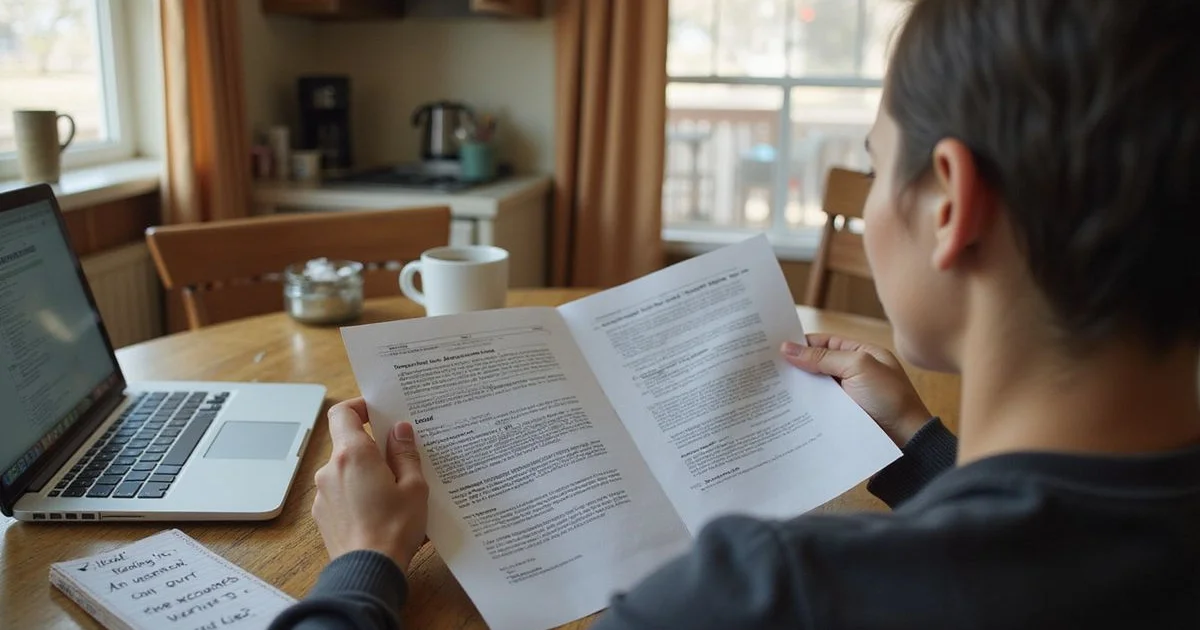
Not every dog bite needs a lawyer, and pretending otherwise doesn’t serve anyone but firms padding their caseload. But knowing when self-negotiating actually makes sense, versus when it quietly costs you money, is the real question worth answering honestly.
When handling it yourself is reasonable
A DIY approach can work when the injury is minor and fully healed with no lasting effects, the dog owner’s insurer has already acknowledged liability without dispute, the medical bills are modest and fully documented, and the insurer’s initial offer seems to reasonably cover your actual costs. In these situations, the process is mostly administrative: submit your medical bills and a brief written summary of what happened, and negotiate a number that reflects your documented losses.
If you go this route, keep everything in writing, get the settlement offer and any release language reviewed carefully before signing (a signed release typically ends your ability to make further claims, even if new symptoms show up later), and don’t feel pressured to accept the first number offered.
When a lawyer is worth the percentage
A few situations shift the math meaningfully in favor of professional help. Any injury requiring stitches, surgery, or leaving visible scarring benefits from someone who can properly value non-economic damages, which insurers rarely calculate generously on their own. A child victim almost always benefits from legal help, both because of the added complexity of Texas’s court-approval requirement for minors and because insurers are known to lowball child claims specifically. Disputed liability, where the insurer argues you provoked the dog or were trespassing, needs someone who can push back with evidence and legal argument. And a denied claim outright is a clear signal that self-negotiation has hit its limit.
The math behind the decision
The core tradeoff is straightforward: a lawyer takes a percentage of the settlement, but insurers are known to offer meaningfully less to unrepresented claimants, in part because they know most people don’t fully understand how to value non-economic damages like pain, scarring, or long-term impact. For a minor claim, the percentage might not be worth it. For anything involving real injury or dispute, weighing the lawyer’s fee against what an unrepresented negotiation is likely to leave on the table, including the time and stress it takes, usually favors getting at least one professional opinion before deciding.
| Situation | DIY often reasonable | Lawyer often worth it |
|---|---|---|
| Minor injury, no scarring, clear liability | Yes | Optional |
| Stitches, surgery, or visible scarring | No | Yes |
| Child victim | No | Yes |
| Insurer disputes liability | No | Yes |
| Claim denied outright | No | Yes |
Watch for these signs mid-negotiation
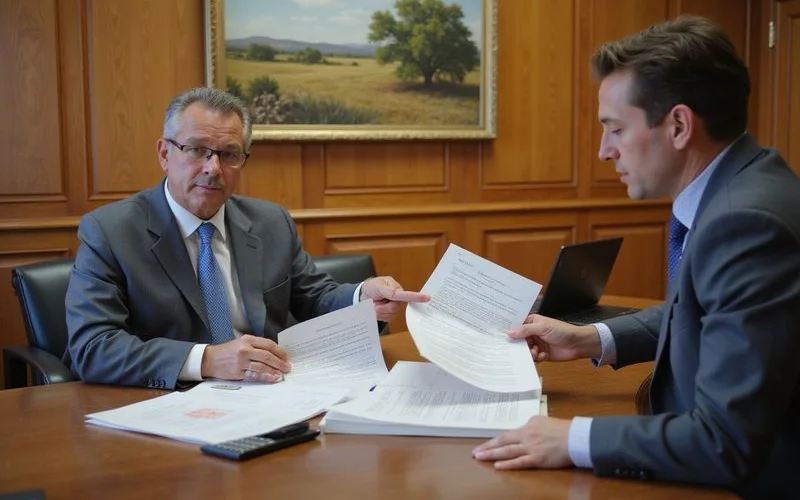
Even if you start out handling a claim yourself, a few signals suggest it’s time to bring in a lawyer: the insurer stops responding or keeps delaying, the offer stays flat despite new medical information, or the adjuster starts asking pointed questions about whether you provoked the dog or were somewhere you shouldn’t have been. Any of these usually means the insurer sees an opening to reduce or deny the claim, and that’s exactly the moment professional pushback tends to matter most.
A middle path: consult first, decide after
You don’t have to commit to either extreme immediately. Most firms offer a free consultation specifically to help you understand whether your case is straightforward enough to handle yourself or complicated enough to need representation. Getting that opinion costs nothing and gives you real information instead of a guess.
This is general information, not a recommendation for your specific case. Our methodology explains how we rank the firms in this directory, and you can browse the full list from the homepage if you decide legal help makes sense for your situation.
FAQ
- Can I really negotiate a dog bite claim myself?
- For a minor injury with clear liability and a cooperative insurer, yes, it's possible. The risk is that insurers routinely offer less to unrepresented claimants, since they know a lawyer will typically push back on a lowball number.
- How do I know if my case is too complex to handle alone?
- Any case involving surgery, visible scarring, a child, disputed liability, or an insurer denying the claim outright is worth at least a free consultation before deciding to go it alone.
- Does hiring a lawyer always mean a bigger payout?
- Not automatically. It depends on the case, but insurers tend to negotiate differently once a lawyer is involved, since they know an unrepresented claimant is less likely to push back on a low offer or understand the full value of a claim.
- Can I start negotiating myself and hire a lawyer later if it stalls?
- Yes, this is common. Just be cautious about anything you say to the insurer before involving a lawyer, since early statements can sometimes be used against you later.