What to do if a dog bites your child in Texas
By Janice · Updated 2026-07-28
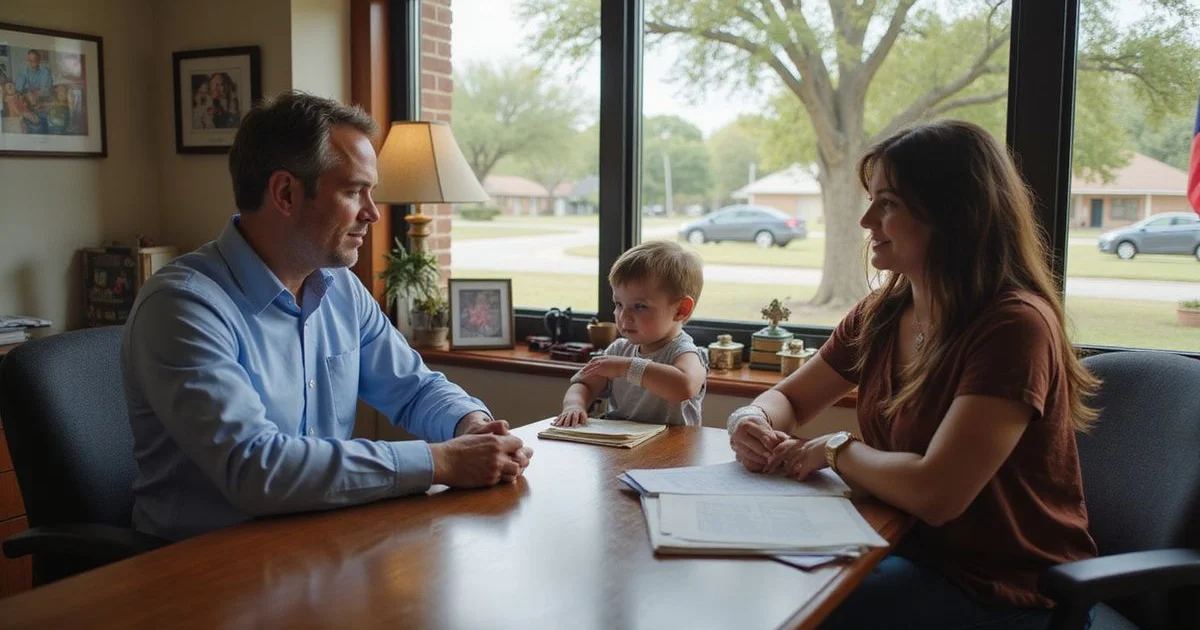
A dog bite to a child is frightening in a way that’s hard to fully explain until it happens to your own kid. Beyond the immediate medical concern, there are practical and legal steps that look a little different than an adult claim, mostly because children are more likely to be bitten on the face or hands, and because Texas treats a minor’s settlement differently under the law.
Get medical attention right away
Children are more likely than adults to be bitten on the face, neck, or hands, simply because of their height relative to the dog. Get your child evaluated by a doctor even if the wound looks minor, since bites in these areas carry a higher risk of nerve damage, infection, or scarring that may need a specialist’s opinion. Ask specifically whether a plastic surgeon consultation makes sense, particularly for any facial injury, since early treatment decisions can affect how a scar heals.
This is general information, not medical advice. If you’re uncertain how serious the injury is, treat it as urgent.
Document what happened
Photograph the injury, and continue photographing it over the following weeks as swelling and bruising change. Write down what happened while your child’s account, and your own, is still fresh. Report the incident to animal control, since this creates an official record and can trigger a required quarantine hold on the dog. If this happened at a child dog bite case involving another child’s pet, a relative’s dog, or a neighbor’s animal, the same reporting steps apply regardless of the relationship.
Understand how these claims move differently
Attorneys who handle child dog bite cases often move more slowly than a typical adult claim, and that’s usually intentional, not a delay to worry about. If there’s any visible scarring, many lawyers wait until the scar has stabilized, sometimes a year or longer, before finalizing a settlement demand. Settling too early risks locking in a number that doesn’t account for revision surgery your child might need as they grow. It’s uncomfortable to wait, but rushing a settlement for a child’s permanent injury is one of the more common regrets parents describe later.
Court approval for a minor’s settlement
Texas generally requires a “friendly suit,” a court proceeding where a judge reviews and approves a settlement involving a minor. This protects the child by confirming the settlement is fair and by controlling how the funds are held, often in a structured account or blocked account, until the child turns 18. It adds a procedural step to the process but is a standard part of resolving these cases, not a sign anything is wrong.
| Consideration | Why it’s different for a child |
|---|---|
| Injury location | More likely to involve the face, neck, or hands |
| Settlement timing | Often delayed until scarring stabilizes |
| Court approval | Required in most cases before funds are released |
| Emotional impact | Fear of dogs, sleep disruption are common and worth addressing |
Addressing the emotional side
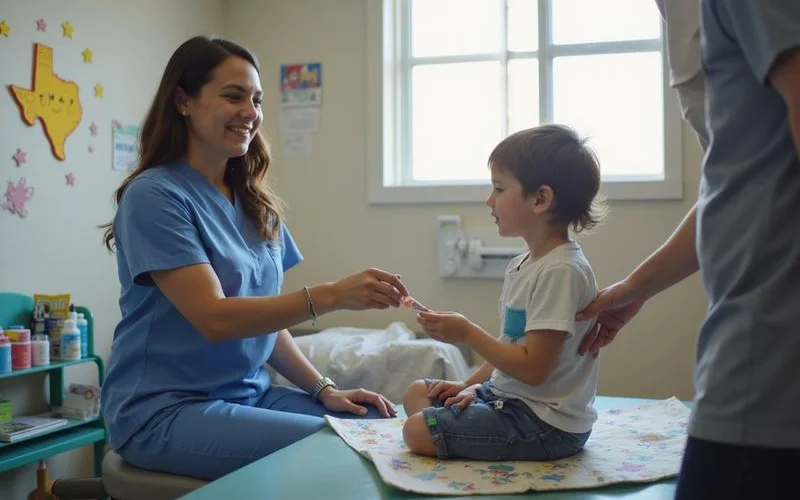
Fear of dogs, nightmares, or reluctance to go outside are common after an attack, and they’re worth taking seriously alongside the physical injury. A pediatrician or child therapist can help, and that care, if needed, becomes part of the documented impact of the incident, not something separate from the claim. It’s also worth talking to siblings or classmates who witnessed the attack about how they’re processing it, since children sometimes carry anxiety about an incident even when they weren’t the one bitten.
When to talk to a lawyer
A free consultation can help you understand whether the case is worth pursuing formally, especially with facial injuries, ongoing treatment, or a dog with a known history. Look for a firm with direct experience settling cases involving minors and Texas’s friendly suit process specifically, not just general dog bite work. Families coping with the rarer, far more serious outcome of a fatal attack face a different process altogether, covered in our guide on wrongful death claims after a dog attack in Texas.
This is general information, not legal or medical advice for your child’s specific situation. Our methodology explains how we score and rank the firms in this directory, and you can browse the full list from the homepage.
FAQ
- Why do children's dog bite cases often take longer to settle?
- Lawyers often wait until a facial or visible scar is more stable, sometimes a year or more, before finalizing a settlement so the number reflects the real long-term cost, including possible revision surgery as the child grows.
- Does a settlement for a child need court approval in Texas?
- Yes, in most cases. Texas generally requires what's called a friendly suit, a court proceeding to approve a minor's settlement and protect the funds until the child turns 18.
- Should I worry about my child's fear of dogs after the attack?
- It's a common and normal reaction. Many families find a pediatrician or child therapist helpful for working through anxiety after a dog attack, and this kind of care can also be part of documenting the full impact of the injury.
- Is a bite to a child's face treated differently than an adult's?
- Often, yes. Insurers and courts tend to weigh a child's future with a visible facial scar more heavily than an adult's, given the years ahead and greater likelihood the injury will need revision surgery over time.